
Courses
Build your expertise with industry-focused training designed for water and environmental professionals.
From drinking water and wastewater treatment to biosolids management, recycling, risk management and net zero strategies, IWES courses provide practical knowledge you can apply directly in your work.
Anaerobic Digestion: Sustainable Biosolids Management
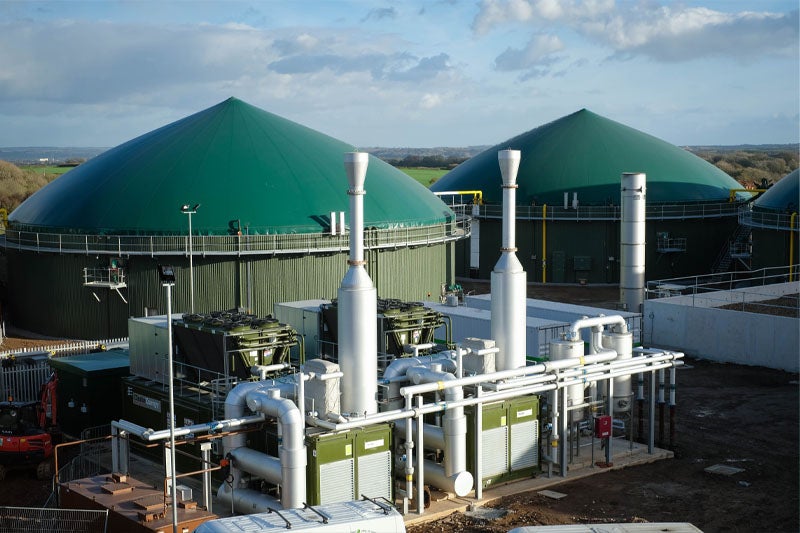
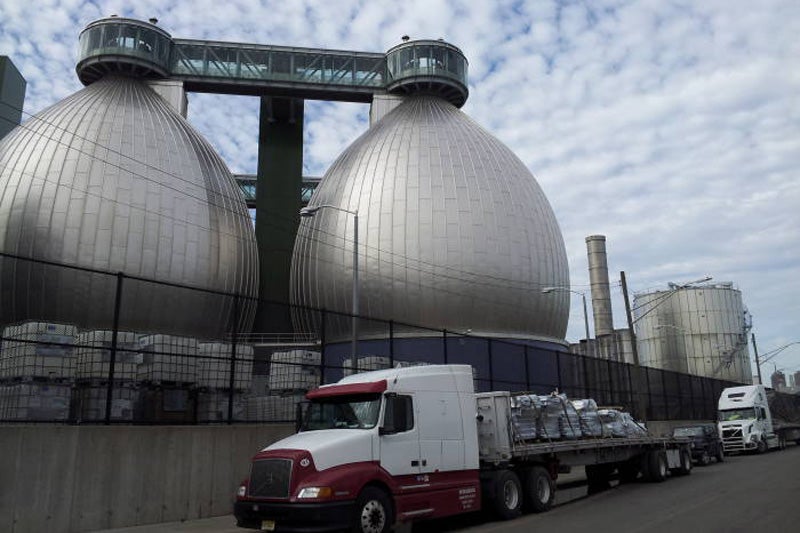
Biosolids management in Australia is now changing, and a wide range of pressures are determining that we reuse the resources in biosolids, while avoiding negative environmental or social impacts. Anaerobic digestion has emerged as one of the leading methods for biosolids conditioning, as it produces a better quality product, has relatively low cost components, and is well established.
As a process, it is well understood, and simple. However, much of this knowledge has not been widely taught, and there is still a perception that anaerobic digestion is a difficult process. In this course, we dispel this, as well as other myths, and show that anaerobic digestion is a simple, robust process, that is easy to design, operate, and control for a high quality gas and solid product.
The 12hr course will use spreadsheeting extensively, and participants should bring a laptop computer (with Microsoft Excel installed). Macros should be enabled.
Issues addressed
Day 2 - Biosolids, Design and Application
- Biosolids – what are they?
- Guidelines, regulations, quality measures, and the case for beneficial application
- Introduction to biosolids treatment technologies
- Anaerobic digestion: background, design and application
- Enhancing anaerobic systems: use of mechanical and temperature conditioning for better digestion. Economic, technical, and environmental analysis
- Workshop 1: Spreadsheet based analysis of an AD case-study
Day 2 - Operation and analysis
- Troubleshooting: what goes wrong with digesters? What impact does it have on quality measure?
- Digester chemistry, including mini workshop
- Overall system design: nutrient, solids, energy and transport management
- Workshop 2: Spreadsheet based analysis of an integrated system
What do you get
- Access to an internationally recognised leading researcher and practitioner in Anaerobic Digestion
- Workshop sessions based on real case study material
- Analysis and design skills to take back to your workplace
- Downloadable copies of the course notes will be provided
Who should attend
Engineers, managers, consultants and plant operators who are involved in the design, operation and optimisation of anaerobic digestion processes for biosolids management.
Presenters
This course is not currently scheduled for a future event.
Best Practice Drinking Water Quality Management
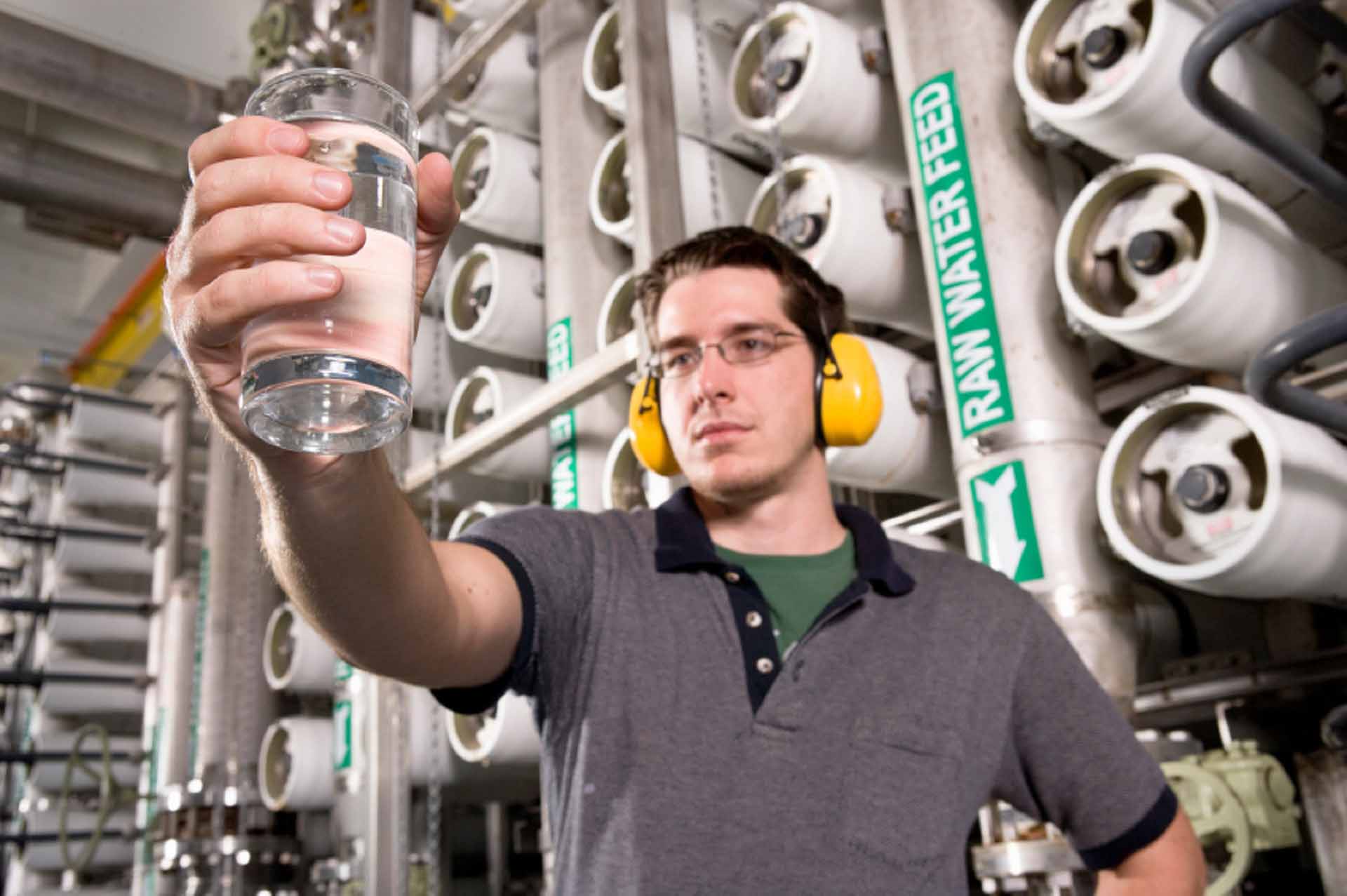
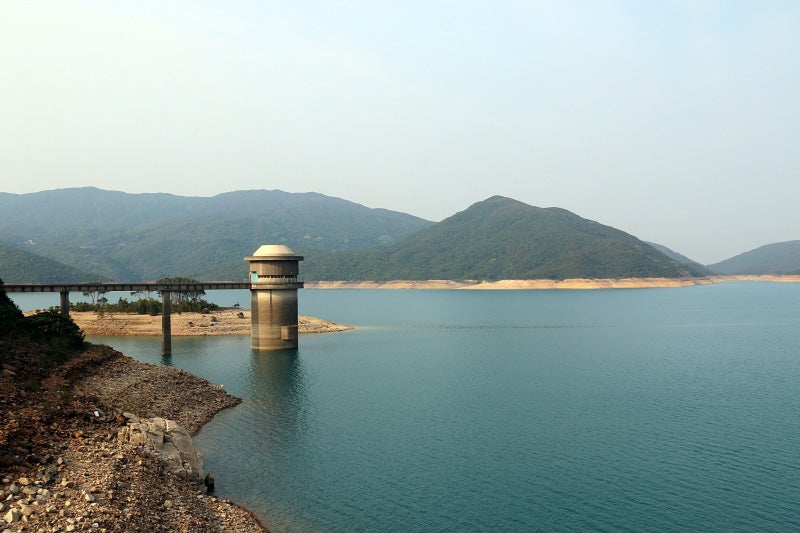
This 12hour course provides training in best practice drinking water quality management. Taking a practical approach, the course is targeted to those responsible for aspects of drinking water quality management in water utilities and private water suppliers, as well as health and economic regulators.
This practical course is structured around a series of sessions that begin by explaining concepts using illustrative examples. Each short lecture is followed by small group and individual exercises to provide opportunities for participants to apply concepts to their situations. Case studies of implementation are given using leading edge Australian examples.
Issues addressed
Context
- Context and history of drinking water quality management
- Guiding principles of multiple barrier preventive risk management
- Waterborne disease outbreaks: causes, lessons and trends
- Guideline values: current, recent changes and anticipated updates
- Conventional lifetime exposure guideline values for chemical and radiological agents
- Acute and short-term guideline values for chemical and radiological agents
- Mitigating risks of waterborne disease outbreaks from pathogens
- Health-based targets for endemic disease and quantitative microbial risk assessment
Regulation
- Formal requirements and standard of duty
- Water quality risk assessment and management frameworks
- NHMRC/NRMMC Australian Drinking Water Guidelines (ADWG)
- ADWG Framework for Management of Drinking Water Quality
- ISO 22000, ISO 9001 and Codex HACCP
- Stakeholders and risk assessment team
- System description and process flow diagrams
- Water quality data analysis and presentation
- Hazard analysis and risk assessment
- Preventive measures, multiple barriers and critical control points
- Source protection
- Treatment
- Preventing recontamination in distribution systems
- Controlling opportunistic pathogen proliferation in distribution systems
- Preventing corrosion and leaching in reticulation systems and plumbing
- Regulation and oversight of water quality management
- Management of incidents and emergencies
- Management of incidents and emergencies
- Verification of system performance
- Supporting programs underpinning the risk management system.
What do you get
- Comprehensive coverage of drinking water quality management in Australia
- Downloadable copies of the course notes will be provided
- Access to experienced water quality management practitioners
- Exercises and pro formas to assist with implementation
- Peer contacts working in water quality management.
- 12 CPD hours
Who should attend
- Those seeking an understanding of drinking water quality best practice
- Professionals involved in operational, regulatory or service provision roles
- Those developing and implementing drinking water management plans.
This course is not currently scheduled for a future event.
Presenters
Biosolids Treatment and Management
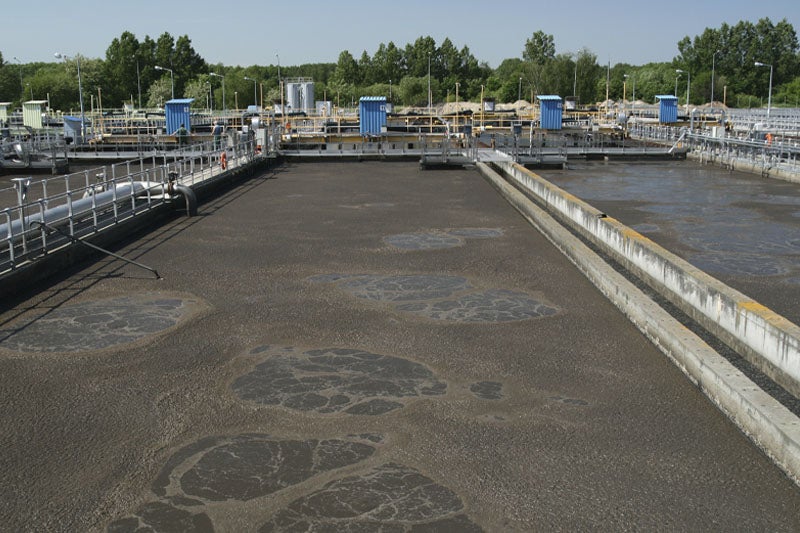
The aim of this 12hr course is to teach the fundamentals underpinning biosolids treatment and management. Learn how to analyse and classify biosolids, how to select and design key treatment technologies, how the biosolids guidelines are used, and how to analyse biosolids operating problems.
Biosolids handling is a major component of wastewater treatment operation and often accounts for half the total operating cost of sewage treatment. Optimising biosolids management and properly integrating it with the rest of the plant is frequently the best way to cut costs, reduce the environmental footprint, and at the same time, generate valuable, renewable resources.
This is a practical course, focusing on both management and technology. Case studies and real-life examples are used to illustrate approaches and outcomes.
Issues addressed
Day 1 - Biosolids Management
- Biosolids management overview – how liquid processing, technologies and treatment, end use and regulations fit together.
- Regulatory framework – how to classify biosolids in accordance with state biosolids guidelines, stabilisation requirements, grading and selection of end use
- End use – types and value of end use, maximising the value of biosolids, agricultural beneficial use, avoiding common problems
- Dewatering – design and performance, gravity drainage deck, belt presses and centrifuges, solar dryers, thermal dryers
- Transport, storage and odour
- Workshop – triple bottom line analysis and regulatory compliance
Day 2 - Technology Design and Application
- Stabilisation – technologies, performance, selecting technologies suitable for your application, basic design parameters, real life examples, managing common problems
- Integration with liquid processing stream
- Emerging issues – changing regulations, emerging contaminants such as PFAS and microplastics,
- Workshop – community engagement
What do you get
- Access to several leading Australian practitioners in biosolids treatment
- An excellent introduction to biosolids management principles, technology and the associated regulations
- Core skills and tools to take back to your workplace which will enable you to understand the big picture and risks in biosolids management and trouble-shoot your biosolids management problems
- Downloadable copies of the course notes will be provided
- Detailed workshop problem sessions based on real case study material
- 12 CPD hours
Who should attend
Engineers, scientists, operators and managers who are responsible for biosolids management, operation, and planning.
This course is not currently scheduled for a future event.
Presenters
Drinking Water Treatment: Principles, Practice and Applications
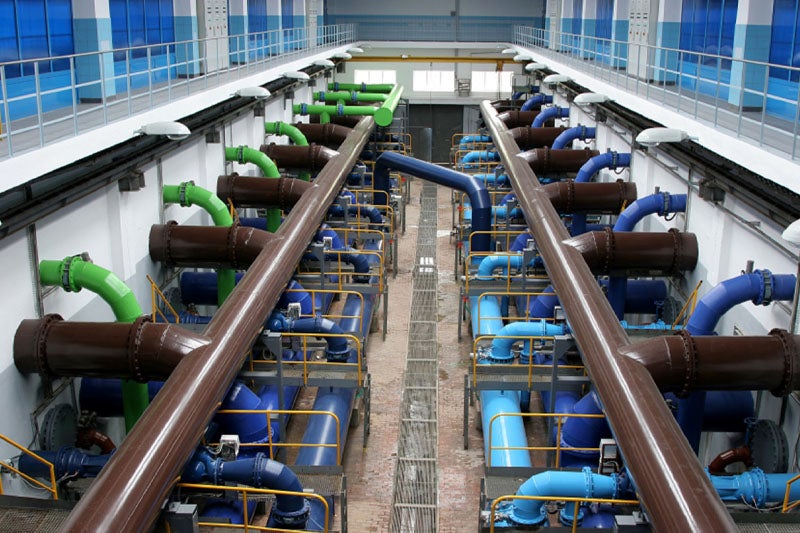
The aim of this 18hr course is to identify key water quality issues, describe the major water treatment processes currently used, and to outline new approaches for optimising water treatment.
This is a practical course, and case studies are used extensively in teaching. The course concludes with an interactive design workshop to consider the issues and required treatment for a theoretical water source and water quality. Specific operating issues of concern to participants will also be discussed throughout the course.
Issues addressed
Day 1
- Overview of the Australian Drinking Water Quality guidelines, incorporating the Drinking Water Quality Framework
- Emerging water quality issues
- Effective water quality management, including case studies
- Disinfection processes and their advantages and disadvantages
- Conventional water treatment technology
- coagulation
- flocculation
- sedimentation
- filtration
- process optimisation
- Variations to conventional treatment
- Case studies from operating full scale plants
- Introduction to membrane technology
- Water Treatment Exercise I
Day 2
- Causes and treatment of issues related to cyanobacteria (incl. full scale data and case studies)
- Treatment options for taste and odour compounds and algal toxins
- Oxidation processes
- Activated carbon adsorption
- Biological treatment
- Water Treatment plant visit
Day 3
- Problems relating to inorganic contaminants
- Oxidation and physical processes for removal of arsenic, iron and manganese
- Impact of natural organic matter (NOM) and new approaches to characterise it
- Removal of NOM – optimising coagulation and alternative treatments
- Overview of desalination, including a case study
- Water Treatment Exercise II
What do you get
- Access to world leading experts and the opportunity to seek advice with local issues
- Downloadable copies of the course notes will be provided
- Relevant publications and websites that can be used to seek further information
- Half-day plant visit
Who should attend
The course is designed specifically for engineers, plant operators, scientists, consultants and researchers who do not have a strong background in water quality issues or water treatment processes. It aims to provide an understanding of the issues facing the potable water industry to assist in providing a better water quality outcome.
This course is not currently scheduled for a future event.
Presenters
Emerging Chemical and Microbial Concerns in Water
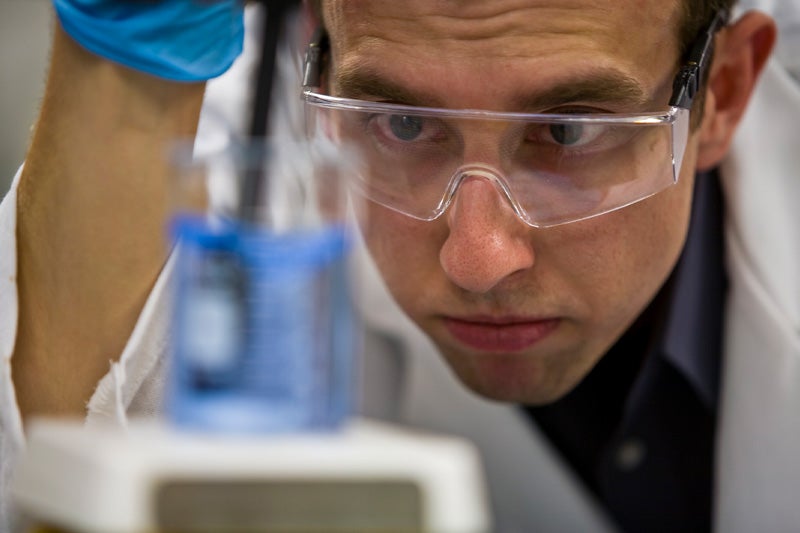
This 18hour course has been designed in response to IWES feedback indicating a strong interest in emerging water quality issues. Participants will be introduced to a range of high-profile emerging contaminants that have presented unique difficulties and concerns for drinking water and wastewater management.
This will include an introduction to the principles of assessing chemical and pathogen risks, which will then be applied to a range of emerging contaminant risk contexts including: novel sanitation systems and reuse, opportunistic pathogens and engineered systems, and climate change.
The material is aimed at raising awareness regarding key issues particular to some of these emerging contaminants. These include potential environmental and public health risks, factors likely to lead to elevated concentrations and treatment process effectiveness.
Issues addressed
Emerging Chemical Containtment Issues
- PFOS, PFOA and other perfluorinated compounds
- Chlorinated and brominated flame retardants
- Hormones and other endocrine disrupting chemicals
- Pharmaceuticals and personal care products
- Nanoparticles
- Cyanotoxins
- NDMA and other nitrosamines
- Iodinated and brominated disinfection by-products
- Microplastics.
Emerging Microbial Issues
- Introduction to pathogens in water
- Assessment and management of microbial risk
- Emerging behaviours: novel urban water systems and new exposures (incl. norovirus and Cryptosporidium)
- Emerging environments: changes to the built environment and climate change (incl. Legionella spp. and Naegleria fowleri)
- Emerging contaminants: how to assess and manage the risk of a new pathogen in water (incl. SARS-CoV-2)
AMR Concerns in Urban Water cycle
Antimicrobial resistance (AMR) claims at least 1.3 million lives per year. It is estimated that AMR will cause 10 million annual deaths by 2050. Although AMR has been recognised as a major threat to human health worldwide, the related phenomenon occurring in urban water systems has been largely overlooked so far.
In this session, we will focus on learning:
- What is AMR and how does AMR spread in the environment?
- AMR fate in drinking water or wastewater treatment systems
- Roles of various contaminants on the spread of AMR
- Monitoring and detection methods of antibiotic resistance genes
- Mitigation strategies against antibiotic resistance
What do you get
- Access to leading experts
- Downloadable copies of the course notes will be provided
- 18 CPD hours
Who should attend
Anyone with an interest in updating their knowledge of chemical and microbial water quality contaminants. This includes those responsible for environmental assessment, drinking water and wastewater treatment, laboratory analysis and stakeholder communications.
This course is not currently scheduled for a future event.
Presenters
Integrated Urban Water Assessment and Management
Integrated Urban Water Assessment and Management addresses the multiple interlinkages between hydrology, urban and infrastructure planning, environmental engineering, sustainability science, and systems-thinking. In this 12-hour course you will learn about the philosophies, principles and techniques of Integrated Urban Water Assessment and Management (IUWAM).
There will be opportunity for discussion of key issues such as climate-resilient solutions, triple-bottom line impacts (social, economic, environmental), water security and adaptation.
Learning will be achieved through lectures, discussion sessions, optional videos, practical exercises and case studies. Participate in a new integrating activity the “Design Challenge”. This scenario-driven, transdisciplinary, team-competition won a national teaching and learning excellence award (AAUT 2024) and industry award (Australian Financial Review 2023).
The Design Challenge places participants in realistic decision contexts involving climate risk, competing objectives, and institutional constraints, mirroring the pressures faced by industry and government professionals. The course combines quantitative analysis with governance, economic, and decision‑making perspectives, ensuring technical insights are translated into actionable decisions.
Issues addressed
- Climate risk, extremes, and adaptation pathways
- Integrated urban water planning for growth, risk, and service outcomes
- Investment appraisal, business cases, and funding trade‑offs
- Governance, accountability, and who decides what
- Water security and diversification strategies
- Regulation, policy, and compliance under change
- Social outcomes, equity, and community acceptance
- Using models, data and AI to inform (not replace) decisions
- From technical analysis to real decisions
Skills developed
- Learn to assess existing and future urban systems (cities, regions, precincts, sites) with quantitative tools spanning the whole water cycle including piped and natural flows, with architectural, engineering and nature-based solutions. Increasingly this integration is key for addressing key risks of security and flooding, while creating liveability and resilience.
- Learn to use tools to quantitatively evaluate a range of design (technology, architecture, landform configurations), undertake triple-bottom-line analysis and understand the water-energy nexus.
- Understand principles, objectives and constraints for integrated urban water management (analysing interactions and conflicts between components) and systematic performance analysis.
- Overview of the range of IUWM methods and techniques, encompassing both structural and non-structural tools (e.g. lot-scale structural measures such as water efficient appliances, greywater recycling.
- The role and functioning of different components of urban water systems, their interactions and scale of application (on-site through to catchment).
- Tools to assess the entire water balance analysis (eg CRC Water Sensitive Cities tools SUWMBA and Scenario tool released in 2021).
- Introduction to the water-energy-greenhouse gas nexus.
- Triple Bottom Line analysis and institutional considerations for improved Integrated Urban Water Management.
What do you get
- Access to world leading practitioners, researchers, publications and course resources.
- Excellent information on principles of integrated urban water assessment and management.
- Frameworks, analytical approaches and decision-support tools that can be directly applied to business cases, strategic plans, option assessments and policy advice.
Who should attend
This course is designed for professionals involved in urban water planning, infrastructure investment, policy, and regulation who are navigating climate risk, constrained budgets, institutional complexity, and increasing public scrutiny.
It is relevant for professionals working in water utilities, local and state government, consulting, infrastructure planning, regulation, sustainability, and urban development. Participants will explore how integrated urban water approaches interface with land‑use planning, growth management, climate adaptation policy, and infrastructure affordability.
This course is not currently scheduled for a future event.
Presenters
Membrane Plant Design and Operation
A comprehensive 30-hour course on membrane plant design and operation, taught by three of Australia’s leading membrane practitioners.
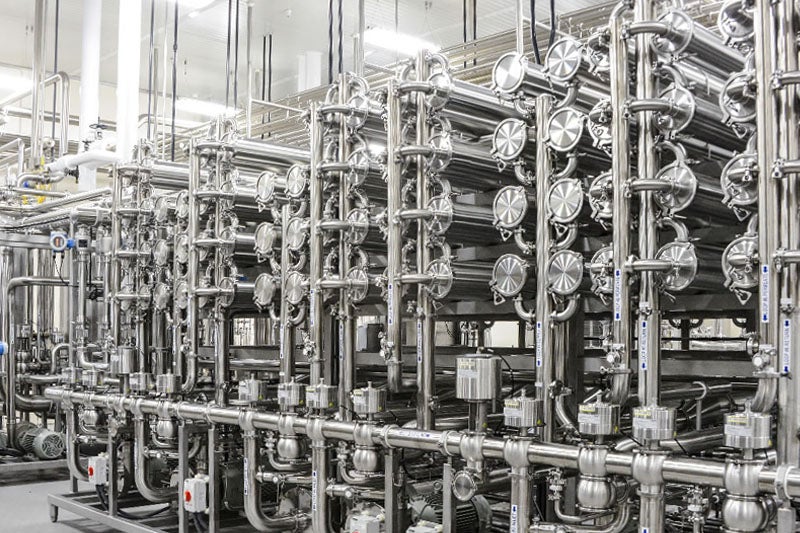
This is a combined theoretical and practical course developed from a series of design and operating problems taken from membrane plants constructed in Australia and overseas. Participants will work through design problems for water treatment, water recycling (water reuse), desalination, industrial and membrane bioreactor applications.
They will also review operational data from membrane plants, learn how to identify membrane fouling and integrity problems, and participate in hands-on autopsies of failed membrane modules.
Participants will be instructed in software tools to generate design RO and UF plants, as well as water treatment models and develop guidelines to operate membrane systems.
Issues addressed
Introduction to Membrane Technologies
Covers membrane definitions, characteristics, separation mechanisms, and the differences between Reverse Osmosis (RO), Nanofiltration (NF), Ultra Filtration (UF), Microfiltration (MF) and Membrane Bioreactors (MBR).
- Membrane Materials, Structure and Configuration
- Core Membrane Concepts and Performance Fundamentals
- Water Quality Essentials for Membrane Plants
- Sampling, Variability and Risk Management
- Operational Monitoring and Troubleshooting
Nanofiltration (NF) and Reverse Osmosis (RO) Water Processing
Covers the removal of salt from water using NF and RO membranes and the critical parameters to designing and operating these plants
- RO and NF Fundamentals and System Architecture
- Applications in drinking water, industrial, desalination, Potable Water Reuse (PWR) and wastewater treatment
- Pre-treatment Strategy and Fouling Prevention
- Scaling, Biofouling and Chemical Control Methods
- RO Design, Configuration and Performance Calculations
- Membrane Elements, Pressure Vessels and Modern Innovations
Brine Management and Residual Salt Management
Managing waste brine is critical to operating a reverse osmosis treatment plant. This course includes:
- Understanding the Brine Management Challenge
- Disposal Routes for Coastal and Inland Plants
- Brine Minimisation Technologies
Ultra Filtration and Micro Filtration Membranes
MF and UF membranes are widely used in food processing, drinking water production as well as pretreatment for RO plants. This section covers:
- MF and UF Process Fundamentals
- Design and Operational Considerations
- Practical Design Exercises
Membrane Bioreactors (MBR)
Membrane bioreactors have become a common and integral technology for treatment of sewage and industrial waste. This section will cover:
- Biological wastewater treatment fundamentals
- MBR vs conventional treatment
- MBR system components
- Biological processes and nutrient removal
- MBR design, operation and maintenance
Membrane Autopsies and Cleaning
Managing fouling and cleaning of membranes is critical to maintaining performance. This section will outline
- Membrane autopsy methods and diagnostic tools
- Fouling mechanisms
- Cleaning chemistry and CIP strategies
- Scale formation processes and control
What do you get
- An excellent and comprehensive overview of the methods and tools used in the design of contemporary membrane systems for water, wastewater and reuse applications
- Access to three leading membrane practitioners
- Design workshops based on real life examples and data
- Participation in a hands-on membrane autopsy workshop to diagnose membrane failure and fouling
- Skills to take back to your workplace to help you to design, operate and trouble-shoot membrane systems
- Course notes and resource materials, including commercial software and spreadsheet calculations
- 30 CPD hours
Who should attend
Anyone who wants to know how to design and operate membrane plants for water and wastewater treatment, water recycling and desalination. The course assumes basic knowledge of water quality and engineering concepts. Participants are encouraged to bring a laptop computer. Numbers will be limited.
This course is not currently scheduled for a future event.
Presenters
Managing Municipal and Wastewater Organics Through Thermal Technologies
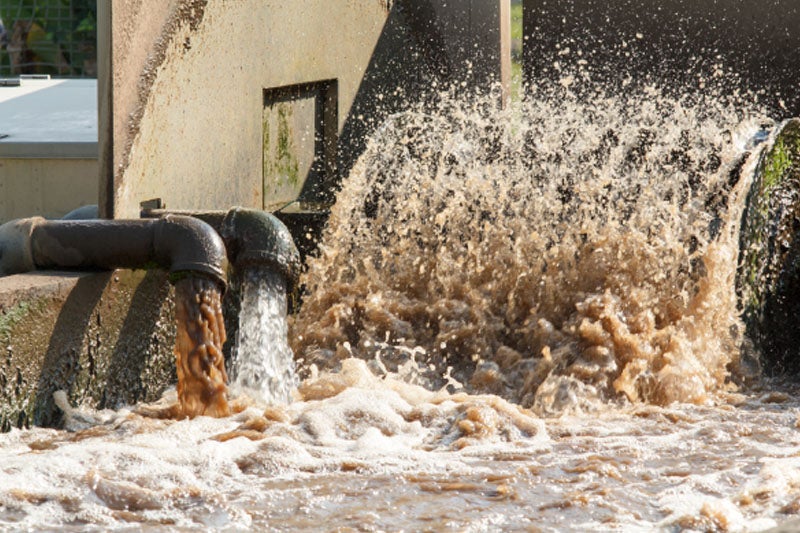
As councils, utilities, and industry move toward circular economy targets, the effective management of municipal and wastewater organics has never been more important. This three‑day course provides a comprehensive deep dive into the thermal technologies transforming how organisations handle biosolids, food organics, green waste and other complex organic streams.
Issues Addressed
Day 1 – Core Technologies
- Introduction to thermal processing including options and basics of thermal management, material properties, calorific values
- Pre-processing and drying
- Options for thermal treatment including incineration, pyrolysis and hydrothermal processes
- Workshop – energy balances
Day 2 – Residuals Management
- Solid residues – understand the properties and management
- Explore basic treatment options for managing gaseous by-products
- Site visit to a local pyrolysis plant
Day 3 – Operations
- Options for resource recovery from thermal technologies
- Managing mixed organic streams
- Managing contaminants, including gaseous, liquid and solid
- Case study
What do you get
- Access to world leading practitioners
- Access to a world leading training resource
- An excellent introduction to thermal technologies
- Core skills and tools to take back to your workplace which will enable you to understand the big picture and risks and trouble-shoot your organics management problems
- Downloadable copies of the course notes will be provided
- Detailed workshop problem sessions based on real case study material
- 18 CPD hours
Who should attend
Designed for engineers, operations staff, planners, regulators, and resource‑recovery professionals, the program blends theory, practical exercises, and real‑world insights to build confidence in selecting, assessing, and operating thermal treatment solutions.
This course is not currently scheduled for a future event.
Presenters
Principles of Wastewater Treatment
The aim of this 30hr course is to introduce wastewater treatment. The course covers the structure of wastewater treatment processes, including the goal of each treatment step and the interaction between steps.
Participants will learn about the key enabling scientific and process engineering fundamentals which underpin wastewater treatment processes and will explore real wastewater treatment problems and case studies.
This is the most popular wastewater fundamentals course offered in Australia. The course features site visits, real case study data and exercises.

Issues Addressed
Section 1 – Introduction
- Objectives of wastewater treatment and understanding discharge requirements
- Structure of wastewater composition
- Measurement of wastewater composition
- Organic contaminants (COD/BOD/TOC)
- Solids characterisation
- Nutrients withing wastewater
- Example compositions of real municipal and industrial wastewater streams
- Variability in wastewater flow and compositions
Section 2 – Primary Treatment
- Objectives of primary treatment
- Structure of primary treatment operations and technology selection
- Overview of primary treatment technologies
- Example data and calculations around primary treatment units
- Workshop problem 1: sampling, characterisation and primary treatment design for an industrial trade waste stream
Section 3 – Secondary Treatment
- Introduction to secondary treatment and key biological processes:
- Anaerobic treatment and biogas production
- Aerobic treatment using activated sludge
- Biological nutrient removal via nitrification and denitrification
- Biological phosphorous removal
- Major differences between aerobic and anaerobic processes:
- Differences in process conditions and operational requirements
- Differences in treatment performance
- Differences in end products and cost factors (sludge production, energy requirements)
- Common bioreactors used in secondary treatment
- The Activated Sludge process:
- How does the activated sludge process work?
- What is sludge age and why is it important?
- Calculating sludge production and aeration requirements
- Sludge settling and secondary clarifiers
- Activated sludge process variations – SBR, MBR
- Biological Nutrient Removal
- Principles of biological nitrogen and phosphorus removal
- Wastewater characteristics for BNR
- BNR process configurations
- What’s new in BNR?
- Be familiar with some key operational issues and process troubleshooting
- Workshop problem 2: secondary treatment design exercise
Section 4 – Tertiary Treatment
- Chemical treatment and aquatic chemistry
- What is pH and why is it so important?
- Acids and bases in wastewater systems
- Critical equilibrium reactions in wastewater systems
- What is alkalinity and why is it so important?
- Overview of tertiary treatment technologies
- Disinfection selection and performance
- Disinfection requirements
- Factors impacting disinfection performance
- Technology selection
- Overview of disinfection technologies
- Water Reuse – municipal and industrial case studies
Section 5 – Solids Treatment and Management
- Explore the origin of organic and chemical sludges
- Composition of waste solids (biological degradability, water content, contaminants)
- Introduce regulations that cover the treatment, disposal or reuse of waste sludges
- Describe a range of treatment/stabilisation technologies
- Describe a range of dewatering and drying technologies
- Be familiar with some key operational issues and process troubleshooting
Plant Visits (Face-to-face only)
- Plant visit 1 – an industrial wastewater treatment plant
- Plant visit 2 – a municipal wastewater treatment plant
What do you get?
- Access to a world leading training resource
- Access to world leading practitioners
- Downloadable copies of the course notes will be provided
- Two detailed workshop problem sessions based on real case study material
- Core engineering skills and tools to take back to your workplace, which will enable you to analyse and trouble-shoot your wastewater problems
- Real plant data and exercises
- 30 CPD hours
Who should attend?
Engineers, scientists and managers who require an excellent introduction to the principles of wastewater treatment.
This course is not currently scheduled for a future event.
Presenters
- Associate Professor Paul Jensen
- Associate Professor Gilda Carvalho
- Dr Stephan Tait
- Dr Bernardino Virdis
Process Modelling for Water Treatment Professionals
This interactive 12hr course is built around forecasting water quality and addressing treatment plant performance issues arising from changing feed water conditions.
This is an interactive two-day course built around forecasting water quality and addressing treatment plant performance issues arising from changing feed water conditions. Engineers will learn to understand the influence of water chemistry on process design and how to use this knowledge to optimise performance.
Participants will also design new treatment plants and size equipment using comprehensive software that integrates material and heat balancing, equipment sizing, stream property and solubility prediction.
Each module includes realistic scenarios for advanced water treatment applications including boiler feedwater, cooling water blowdown, industrial wastewater, seawater desalination, mine dewatering and brine management. Up to 21 technologies in water treatment will be explored during the sessions.
Participants will receive detailed notes for each module and a three month free subscription to AqMBTM process simulation software for water treatment.

Issues addressed
Day 1
- Module 1 – Water Chemistry Essentials
- A comprehensive overview of essential water quality properties for treatment plant design
- Basic theory around chemical equilibrium, reaction kinetics and redox potential
- An introduction to solubility modelling, the impact of dissolved gases on redox and equilibrium chemistry and how process kinetics can affect scale formation and corrosion.
- Module 2 – Unit Operation Types
- An overview of most technologies used in water treatment
- Modes of action defining separation for each technology
- Key advantages and disadvantages of each technology
- Guidance on technology selection.
- Module 3 – Configuring Flowsheets for Process Design
- Developing a feed water scenario for typical and boundary condition
- Process design considerations, constraints, performance objectives and assumptions
- For a given feed water specification, generate a first pass integrated process design and mass balance
- Identify which parameters impact equipment performance and treated water quality.
DAY 2
- Module 4 – Process Modelling for Performance Optimisation
- An overview of each unit operation, their key process parameters (design/operational) and how they are used in each model simulate equipment performance
- Learn how to optimise a process design for performance objectives by refining process design parameters for each unit operation
- Conduct a solubility survey to understand the interaction of inorganic/organic species under different conditions and what does this really mean for the performance of each unit operation
- Model boundary conditions to establish the performance limitations of a process design.
- Module 5 – Process Economics and Lifestyle Evaluation
- Produce vendor data sheets and RFQ documentation for equipment pricing
- Calculate power, chemical and consumable operating costs
- Estimate turnkey capital costs for a greenfield application
- Produce a lifecycle cost evaluation for the project.
- Module 6 – Creating a Process Design or Scenario Modelling Report
- Documenting the basis of design
- Key elements of a process design report
- Addressing process risk through scenario modelling.
What do you get
- Free 3 months subscription to AqMBTM simulation software for water treatment
- Downloadable copies of the course notes will be provided
- Q&A with experienced designers.
Who should attend
There is an assumed level of knowledge for this course. Please consult the AqMB User Guide if uncertain whether your level of experience is adequate.
Process engineers, consultants and operators involved in concept design, sizing and/or operation of existing physico-chemical water treatment plants involving conventional (settling, filtration), membrane, resin, electrolytic or thermal technologies.
This course is not currently scheduled for a future event.
Recycled Water Management
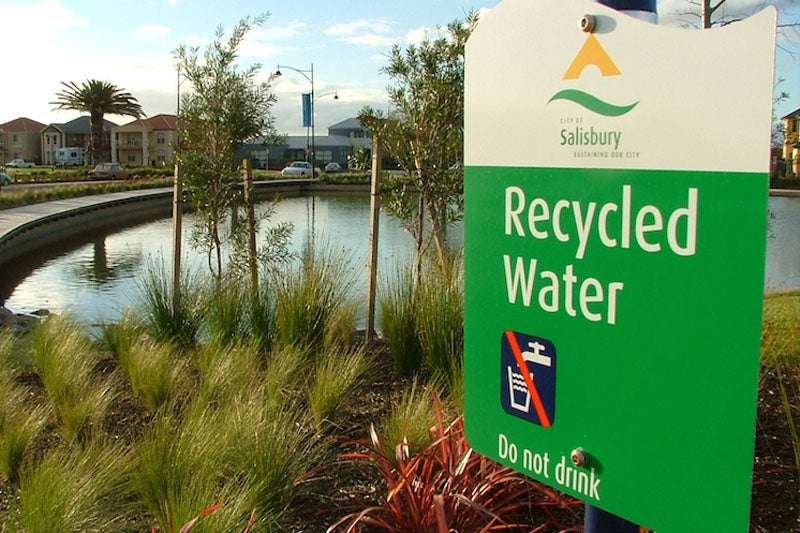
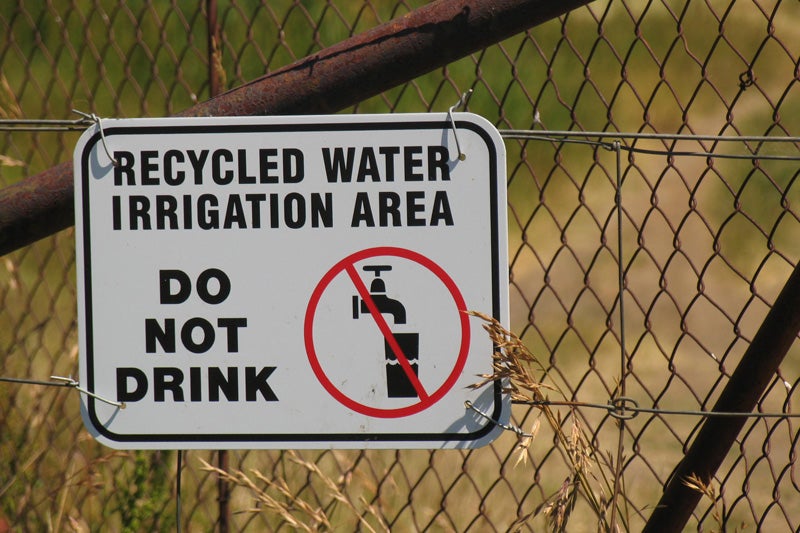
This 18hour course provides training in best practice recycled water management. Taking a practical approach the course is targeted to those responsible for aspects of recycled water quality and environmental management in water utilities, irrigators and private water suppliers as well as health and economic regulators.
This practical course is structured around a series of sessions that begin by explaining concepts using illustrative examples. Each short lecture is followed by small group and individual exercises to provide opportunities for participants to apply concepts to their situations. Case studies of implementation are given using leading edge Australian examples.
The trainers delivering the course have been intimately involved in developing and implementing the Australian Guidelines for Water Recycling (AGWR). Dr Dan Deere was a member of the AGWR Risk Management Framework and Integration Working Group. He was engaged to develop health aspects of the stormwater recycling guidelines and was part of the working group that developed the Requality Tool for Framework Implementation Assessment for the Water Services Association of Australia (WSAA).
Dr Daryl Stevens was a member of the AGWR Environmental Risk Working Group, and the Coordinator of the Scientific Services for the Environmental Risk Component. Both Dan and Daryl have been in involved with facilitating and assessing the implementation of the AGWR for recycled water schemes across Australia for the last 20 years. Their experience with derivation of guidelines for water recycling and practical application of these are unmatched in Australia!
Issues addressed
Overview
- Overview of water recycling in Australia
- Historical context and development of water recycling in Australia
- Overview of recycled water guidelines and approaches
- Recycling of sewage and greywater (Phase 1 guidelines)
- Potable reuse (Phase 2a guidelines)
- Recycling of stormwater (Phase 2b guidelines)
- Managed aquifer recharge (Phase 2c guidelines)
- Recent updates and probable future developments
- Source protection measures applied in recycled water schemes
- Treatment processes implemented in recycled water schemes
- Distribution and storage of recycled water
- Point of application barriers used in recycled water schemes
- Recycled water user agreements and liabilities
- Health-based targets and quantitative microbial risk assessment
- Exposure assessment
- Dose-response assessment
- Pathogen log reduction in source water management and treatment
- Exposure log reduction in end use controls
- Validation of pathogen log reduction in treatment and end use controls.
Key Concepts
- Illustration of learning concepts at local recycled water treatment plant and use sites
- Overview of the AGWR risk management framework
- Related management systems such as ISO 22000 and HACCP
- Commitment, stakeholders and system assessment team
- System description and process flow diagrams
- Data analysis and interpretation.
Identifying issues
- Environmental targets in water recycling
- Methodologies for hazard analysis and risk assessment/risk ranking
- Identifying hazards, assessing risks and setting management priorities
- Identifying preventive measures, critical control points and control programs
- Developing specifications for monitoring and control of risks
- Verification of system performance
- Management of incidents and emergencies
- Supporting programs underpinning the risk management system
- Management plans and regulatory approvals.
What do you get
- Comprehensive coverage of water recycling in Australia
- Access to experienced practitioners
- Downloadable copies of the course notes will be provided
- Peer contacts working in recycled water management
- Exercises and pro formas to assist with implementation
- 18 CPD hrs
Who should attend
- Those seeking an understanding of recycled water best practice
- Professionals involved in operational, regulatory or service provision roles
- Those developing and implementing recycled water management plans.
This course is not currently scheduled for a future event.
Presenters
Regional Wastewater Treatment: Principles, Practices and Innovations
Australia’s regional wastewater treatment landscape presents unique challenges and opportunities. Nearly 70% of wastewater treatment plants service communities of fewer than 5,000 equivalent persons (EP). These systems operate under vastly different conditions compared to their metropolitan counterparts.
The limited resources that come with a smaller customer base typically restrict the use of mechanically complex or operator intensive treatment technologies, with more emphasis on biologically driven solutions and technologies that are self-sufficient or can be managed remotely or intermittently.
This 18-hour course is designed to teach the key scientific and process engineering fundamentals which underpin regional wastewater treatment processes and is suitable for engineers, scientists, managers and other water professionals without an existing technical background.
The course combines fundamental explanations with real-world case studies, guided workshops, and expert-led sessions to explore the technologies, biological principles, and operational strategies that make regional systems both effective and sustainable.
What you’ll learn
- Regional treatment context
- Understand the distribution, scale, and operational constraints of regional wastewater systems.
- Core treatment technologies
Dive into the basic design and function of key systems including:- Waste stabilisation ponds
- Anaerobic treatment processes
- In-vessel technologies, including trickling filters, septic systems and packaged treatment plants
- Emerging “green” technologies tailored for regional applications
- Process challenges and solutions
Examine common issues with process operation and learn troubleshooting strategies. - Managing the by-products of wastewater treatment
Explore issues such as water recycling, contaminant monitoring and biosolids management. - Industry case studies
Learn from real operational experiences and problem-solving strategies used across regional Australia.
Why attend?
- Learn from leading practitioners in wastewater treatment
- Gain access to exclusive training materials and downloadable course notes
- Participate in interactive workshops based on real industry challenges
- Build a strong foundation in biologically complex but mechanically simple treatment systems
Who should attend?
This course is ideal for:
- Environmental, chemical and civil engineers
- Water scientists and researchers
- Utility managers and technical staff
- Anyone seeking a comprehensive foundation to regional wastewater treatment
This course is not currently scheduled for a future event.
Presenters
Risk Management for Water Professionals
The content of this course draws on extensive global experience in a wide range of industry sectors.
As an industry leader in the field, the author’s skills are sought as an independent workshop facilitator for project risk and safety in design studies and related training and mentoring activities.
This 18hr training package, designed for engineers & technicians (all disciplines), offers the unique opportunity to improve one’s wider management skills and supply participants with evidence of approved Continuous Professional Education Credits that can be used for annual certification requirements to professional bodies.
In brief, this course highlights; (i) WHAT is that thing called Safety & Design and (ii) WHY we need to implement and sustain it in our respective businesses.
Participants will learn HOW to deliver on their specific Safety & Design obligations; stepping through the topic in 6 X 3 hour-modules, each consisting of
- Content delivery followed by
- Participant assessment via completion of case study workshops and assessment exercises
- Recommended supplementary resources
Day 1: The Basics of Safety & Design
- Core concepts – duty of care, safe work, hazard, risk and risk management etc
- Safety principles and the broader design context – Fundamentals including legal and regulatory framework in Australia
- Review of pertinent case law – Online information search activity and interactive discussion (exemplar jurisdiction, state of Queensland)
- The asset lifecycle and integrated safety & design – The safety & design plan, routine tools and specialist tools in use
Day 2: Typical Safety & Design Applications
- Workshop preparation for multiple design case studies presented – Determine approach and compile sample working documents including AGENDA
- Designated safety & design tools to choose from, followed by hands-on applications in the water and waste water treatment sector
- The basic hazard identification (HAZID) and analysis (HAZAN) tool – customised for diverse process deviations
- The hazard and operability study (HAZOP) tool – customised for continuous chemical processes, batch/material handling and electrical systems
- The layers of protection analysis (LOPA) tool
- The hazard analysis and critical control point (HACCP) tool
- The bow tie analysis
Day 3: Safety & Design in Construction
- Additional safety & design tools in use, followed by hands-on applications in the water and waste water treatment sector – The 3-in-1 tool
- Construction hazard assessment implication review (CHAIR123), the NSW Workcover Safety in Design tool – opportunity to sit down, pause and reflect on likely problems during various stages of the construction phase.
- Continuous Improvement and some important lessons learnt?
- How to promote an inclusive safety culture
- Practical examples of safety initiatives in industry
- Wrap-up and web links to supplementary resources – including emerging digital applications to enhance workplace safety
What do you get?
- Access to a world leading training resource
- Access to world leading practitioners
- Downloadable copies of the course notes will be provided
This course is not currently scheduled for a future event.
Presenters
Statistics and Data Analysis for Water and Wastewater
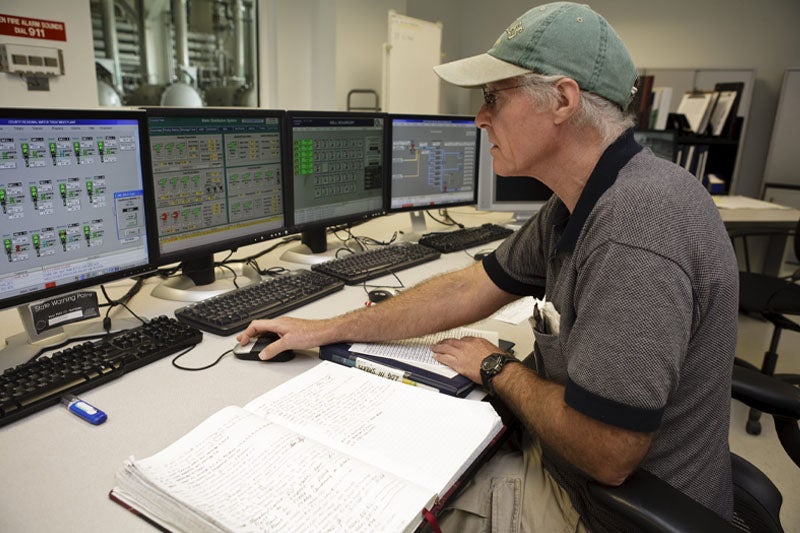
The aim of this 12 hour course is to teach the fundamentals of data and statistical uncertainty analysis with applied problems. The focus is on clearly presenting and translating statistic theory to practical case studies. Real data is analysed to make evidence based interpretation and conclusions for practical problems.
The course focuses on use of widespread tools (e.g. Microsoft Excel), which enables the use of powerful statistical techniques. Each session focuses on a core concept, generally integrating multi-mode teaching activities within the session. This includes shorter lectures, application of computing to analyse data and team workshops.
Fundamentals
- Fundamentals of inferential statistics – samples and populations. Measurement uncertainty vs variability. Introducing key measures in water and wastewater. Visualising data effectively.
- Use of distributions to analyse data and represent variability in population, and uncertainty in measurements. Concept of hypothesis testing to make evidence based conclusions. Limitations of inferential statistics and alternatives.
- Cause-effect analysis, and basic concepts of experimental design. Introduction of analysis of variance (ANOVA) to analyse cause-effect issues.
- Workshop on multiple case studies. Determine approach and make an evidence based analysis of typical wastewater and environmental monitoring problems.
Applied statistics
- Cause-effect applied to input-output relationships. Use of linear regression in a wastewater context to assess relationships. Controlling for factors by mixing ANOVA and regression. Determining and presenting uncertainty in regression parameters and strength of relationships.
- Principles and applications of non-linear regression. Determining principal parameters. Case studies in both laboratory and field context (e.g., measuring Oxygen Uptake Rate, BOD etc).
- Uncertainty propagation principles. How to determine uncertainty in a calculated value. How does uncertainty in an input or parameter determine uncertainty in an output.
- Case study workshop. Using continuous applied statistics to analyse a key problem in the wastewater process.
On the job
- Laboratory statistics. How can you trust your lab? What should you do in the lab? Using statistics in method development, QC, limit of detection, limit of measurement, validation, presenting data effectively.
- Experimental statistics (lab, field, and process). Determining control-experiment setups effectively to determine if a change has an effect. Field testing equipment effectively. Time-series vs parallel system evaluation.
- Wrap-up. A couple of big picture examples.
What do you get?
- Access to a world leading training resource
- Access to world leading practitioners
- Downloadable copies of the course notes will be provided
- Two detailed workshop problem sessions based on real case study material
- Core analytical skills and tools to take back to your workplace, which will enable you to analyse and trouble-shoot your water and wastewater problems
- Real plant data and exercises
- 12 CPD hours
Please note that this course requires the use of standard Microsoft Excel add-ins Analysis ToolPak and Solver. We ask that participants ensure these are activated prior to the course commencement.
This course is not currently scheduled for a future event.
Presenters
Towards Net Zero: Strategies to Reduce Urban Wastewater Emissions
A 3-day Intensive Course on Understanding, Quantifying, and Mitigating Greenhouse Gas Emissions
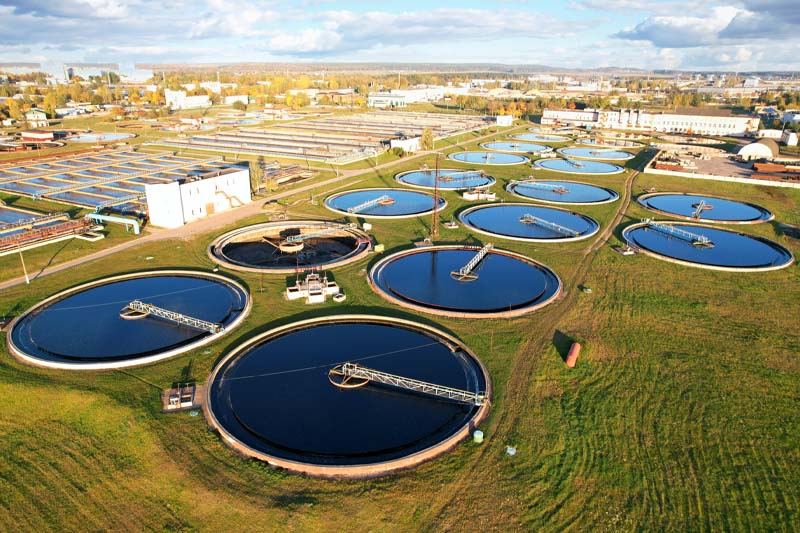
Formerly known as Greenhouse Gas Emissions from Urban Wastewater Systems, this 18-hour course introduces the principles of greenhouse gas (GHG) emissions in urban wastewater systems. Participants will gain a comprehensive understanding of GHG generation, quantification, and mitigation, alongside practical skills in carbon accounting and data analysis.
Designed to address a strong interest in net-zero and GHG emissions, this course combines theory, real-world case studies, and hands-on activities to address emissions challenges and promote sustainability.
What you will learn:
Day 1 – Foundations of GHG Emissions in Wastewater Systems
- Urban water cycle and potential sources of GHGs.
- Understanding Scope 1, 2, and 3 emissions and how they are generated.
- Principles of carbon accounting and practical tools.
- Interactive workshop using Excel and ECAM tool for carbon footprint calculation and reporting.
Day 2 – Quantification Techniques
- Plant-wide and unit-specific quantification techniques for nitrous oxide (N₂O) and methane (CH₄) emissions.
- Real-world scope 1 quantification case studies.
- Interactive workshop on Carbon footprint evaluation and comparison.
Day 3 – Overcoming Challenges and Mitigation Strategies
- Scope 1 emission mitigation strategy framework and real-word case studies.
- Overall carbon management and pathways towards net-zero in wastewater systems
- Course wrap-up and actionable next steps.
What’s Included:
- Comprehensive course notes and resources.
- Access to leading experts and hands-on exercises.
- 18 CPD hours for professional development.
Who Should Attend?
- Anyone with an interest in GHG emissions, net-zero concepts.
- Those seeking an understanding of GHG emissions best practice
- Professionals involved in operational, regulatory or service provision roles
- Those developing and implementing net-zero plans
This course is not currently scheduled for a future event.
Presenters
Wastewater Treatment Design (previously Biological Nutrient Removal)
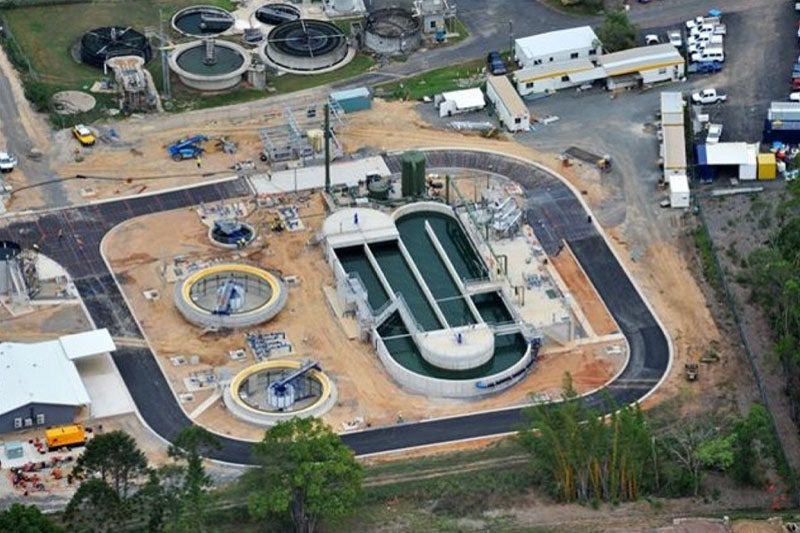
This 18hour course teaches the enabling science of biological nutrient removal, and the tools and techniques required to successfully analyse, design and optimise wastewater treatment plants.
The course is presented by two of Australia’s leading process designers for municipal and industrial wastewater treatment. The course is structured around real-life challenges and solutions encountered in some of Australia’s largest and most demanding wastewater projects.
This hands-on course focuses on practical exercises and case studies to develop skills that can be applied immediately in the workplace.

Issues Addressed
Biological Treatment Fundamentals
- Basic bioenergetics – energy, growth and decay
- Wastewater characteristics – how and why wastewater is classified
- Sludge age and its influence on design and performance
- Fundamentals of nitrogen and excess biological phosphorus removal
- Secondary treatment process configurations – fitting to the plant’s wastewater, site, skills and situation
Secondary Treatment Process Design
- Anaerobic & “roughing” technologies for carbon removal
- Secondary treatment reactor design – mass fractions and recycles
- Aeration systems – process design and control
- Clarification, settleability and scum management
- Demystifying process models for real-world use – managing risks and avoiding pitfalls
Practical Design Considerations – Liquid Stream
- Inlet works – process design and specification
- Tertiary treatment – filtration and disinfection fundamentals
- Review of recent BNR plant designs, including real performance data, to understand impacts of design decisions and details
- Design exercise and case studies: Design an actual BNR plant based on specific attributes and requirements, and review against real-world outcomes
- Aeration systems – select, size and specify
- Secondary clarifiers – sizing, configuration and optimisation
- Dissolved oxygen control; settleability and scum management
Practical Design Considerations – Integrating the Liquid and Solids Streams
- Industrial wastewater design issues
- Primary treatment – manage the carboning your carbon
- Biosolids stabilisation and reuse
- Odour considerations
Current and Future Trends
- Membrane bioreactors: development of MBRs; compare and contrast commercially available MBRs
- From treatment works to factory: BNR and production of recycled water, biosolids and energy; operating costs and considerations; carbon accounting for BNR
- Innovations in nutrient removal – anaerobic ammonia removal & variants, fixed films, granular sludge
- Other emerging trends for the next 10 years
What do you get?
- Access to a leading BNR process expert
- Downloadable copies of the course notes will be provided
- BNR spreadsheet design tools
- Workshop sessions based on real case study material
- BNR analysis and design skills to take back to your workplace
- 18 CPD hours
Who should attend?
Engineers, technicians and operators with an interest in the design and operation of municipal and industrial wastewater treatment plants, as well as people with related support functions.
This course is not currently scheduled for a future event.
Presenters
Register your interest
Be the first to hear about upcoming IWES training courses. Select the courses you're interested in below, and we'll keep you informed about future dates, availability, and registration opportunities.